How Much Does It Cost to Replace a Water Heater?
A water heater fails the same way every time: cold water in the morning, a puddle on the garage floor, or a rumbling tank that sounds like it is boiling rocks. Replacing it costs $882 to $1,826 on average, and most of that range comes down to one choice — the type of heater you buy. A basic tank heater and a tankless system are not the same purchase, and treating them as if they were is how a $1,000 job becomes a $3,500 one.
Most replacements are emergencies, decided in a day. This guide gives you the real prices by type and size, the code upgrades that hide in the quote, what the job actually involves, and a worked example so you can tell a fair price from a padded one.
Water Heater Replacement Prices at a Glance
The table below shows typical total replacement costs — unit plus installation — for a standard home, checked Nov 6, 2026 (sources: Home Comfort Alliance's cost guide, ARS's pricing, and Angi's 2026 data). Prices are national averages.
| Heater type | Typical total cost (installed) |
|---|---|
| Tank, gas (40–50 gal) | $700–$2,700 |
| Tank, electric (40–50 gal) | $600–$3,500 |
| Tankless, gas | $1,400–$3,900 |
| Heat pump (hybrid) | $1,200–$3,500 |
The most common job — a like-for-like tank replacement — lands between $882 and $1,826, with an average of about $1,348. The unit itself is only part of that: a 50-gallon gas tank costs $400 to $900 at the supply house, and installation adds $500 to $1,000 depending on your area and how much re-plumbing the swap needs.
Tankless and heat pump systems cost more upfront but use less energy over time. A tankless heater only heats water when you turn on a tap, so there is no tank of hot water sitting and cooling all day. A heat pump heater moves heat instead of making it, and uses about a third of the electricity of a standard electric tank. Both can pay back the extra cost over their longer life — but only if you stay in the house long enough to collect the savings.
By Size: Picking the Right Tank
Size is measured in gallons for tank heaters, and getting it wrong is the most common regret. Too small and the last person in the shower gets cold water; too big and you pay to heat water nobody uses.
| Household | Recommended tank size | Typical installed cost |
|---|---|---|
| 1–2 people | 30–40 gallons | $700–$1,500 |
| 3–4 people | 40–50 gallons | $900–$2,000 |
| 5+ people | 50–75 gallons | $1,200–$2,700 |
| Large home, 2+ baths | 75–80 gallons | $1,500–$3,500 |
A 50-gallon tank is the default for a family of four, and it is the size most plumbers stock on the truck — which is why it is also the fastest replacement when yours fails on a Friday. Going bigger rarely hurts except on price: a 75-gallon tank costs a few hundred more and takes longer to heat, but it ends the cold-shower problem for good.
For tankless systems the sizing question is different: it is about flow rate, measured in gallons per minute, not storage. A unit rated at 9 gallons per minute can run two showers and a dishwasher at once; a 5-gallon unit cannot. Ask the installer to size by your peak simultaneous use, not by the number of bathrooms.
The Code-Upgrade Trap
This is the part of the quote that surprises people. When a plumber replaces a heater, they must bring the installation up to current local code — and on an older home that can add $300 to $1,500 to the bill, checked Nov 6, 2026 (sources: Home Comfort Alliance and Angi).
| Upgrade | Typical cost | What it is | |---|---| | Expansion tank | $100–$300 | Absorbs pressure as water heats and expands | | Drip pan and drain | $50–$150 | Catches leaks before they reach the floor | | Venting upgrade | $150–$600 | Brings the flue up to current safety standards | | Earthquake straps | $50–$150 | Required in seismic zones, secures the tank | | Permit | $50–$300 | Required in most cities for a replacement |
None of these are optional if your local code requires them, and a good installer will list them as separate lines instead of burying them in one lump sum. A quote that looks $400 cheaper than the competition may simply be leaving the permit and the expansion tank out — and the inspector will make you add them anyway.
One more trap: the federal 25C energy tax credit for efficient water heaters ended on December 31, 2025. It no longer applies to new installations, so do not let a quote count it as a discount. Some states and utilities still offer their own rebates for heat pump heaters — check your utility's website before you buy, because those rebates can be $300 to $1,000.
What the Job Actually Involves
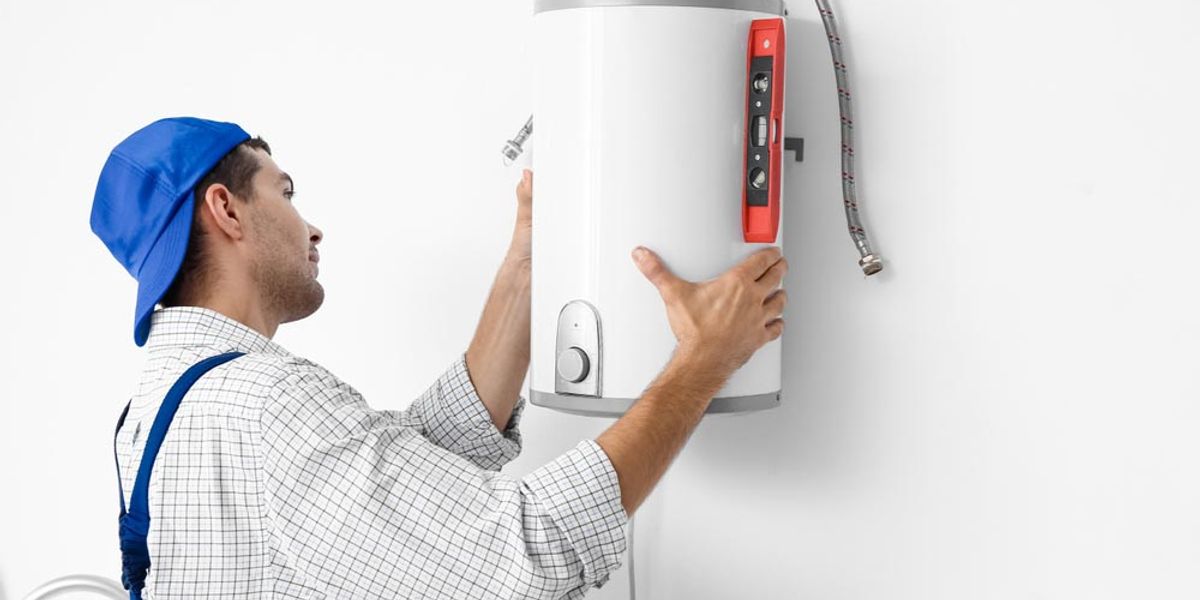
A standard like-for-like replacement takes two to four hours. The plumber shuts off the water and gas or power, drains the old tank, disconnects it, hauls it away, sets the new tank in place, reconnects the water lines, gas line or wiring, fills it, and tests it. Most companies include hauling the old unit away in the price — confirm that before you agree, because disposal fees run $50 to $150 if they are added separately.
Switching types takes longer and costs more. Replacing a tank with a tankless system usually takes a full day: the gas line often needs upsizing, the venting changes completely, and the wall may need a new bracket. A tankless swap can add $1,000 to $2,000 in labour and materials over a simple tank replacement. A heat pump heater needs a drain for condensation and space around it for airflow, so it cannot go in a tight closet.
Emergency timing adds cost too. A same-day or weekend replacement can carry a $100 to $300 premium over a scheduled weekday job. If the tank is leaking badly, pay it — a 50-gallon tank holds 50 gallons of water, and it will all end up on your floor.
A Worked Example: Replacing a 50-Gallon Gas Tank
Take a family of four in a 2,000-square-foot house. Their 12-year-old 50-gallon gas tank starts leaking on a Tuesday.
- New 50-gallon gas tank (unit): $650
- Installation labour: $550
- Expansion tank (code): $150
- Drip pan and drain (code): $100
- Permit: $100
- Haul-away of the old tank: included
Total: $1,550 — right in the middle of the national range. The same job with a tankless upgrade would run about $3,200: a $1,800 unit, $900 in labour and gas-line work, and $500 in venting. The tankless system would save roughly $100 a year on gas, so the payback on the extra $1,650 is about sixteen years — longer than most families stay in one house.
The cheapest option is not always the worst one here. A basic tank at $1,550, installed to code, will run quietly for ten to twelve years. The expensive option only wins if you value endless hot water or plan to stay put for a very long time.
Mistakes to Avoid
- Choosing by unit price alone. The unit is half the bill — installation, code upgrades, and the permit are the other half.
- Ignoring the code upgrades. A quote without an expansion tank or permit is not cheaper; it is incomplete.
- Counting the expired 25C credit. The federal credit ended December 31, 2025. Check state and utility rebates instead.
- Sizing by bathrooms instead of people. A 50-gallon tank serves a family of four; a house with three baths and two people needs less.
- Waiting for a total failure. A rumbling tank or rusty water is a warning. Replacing it on your schedule costs less than replacing it on a Sunday night.
Frequently Asked Questions
How much does it cost to replace a water heater?
A standard tank replacement costs $882 to $1,826 installed, checked Nov 6, 2026, averaging about $1,348. Tankless systems run $1,400 to $3,900 and heat pump heaters $1,200 to $3,500.
How long does a water heater last?
A tank heater lasts 8 to 12 years; a tankless system lasts 15 to 20 years; a heat pump heater lasts about 10 to 15 years. Hard water shortens all three.
Can I replace a water heater myself?
It is legal in some areas, but gas connections, venting, and permits make it a job most homeowners should leave to a licensed plumber. A bad gas connection is a safety risk, not a saving.
Is a tankless water heater worth the extra cost?
It depends on how long you will stay. A tankless system saves about $100 a year on energy but costs $1,500 or more extra to install — the payback is often 10 to 16 years.
What size water heater do I need?
A 40- to 50-gallon tank suits a household of three to four people. One to two people can use 30 to 40 gallons; five or more need 50 to 75 gallons.