How Much Does a Home Inspection Cost?
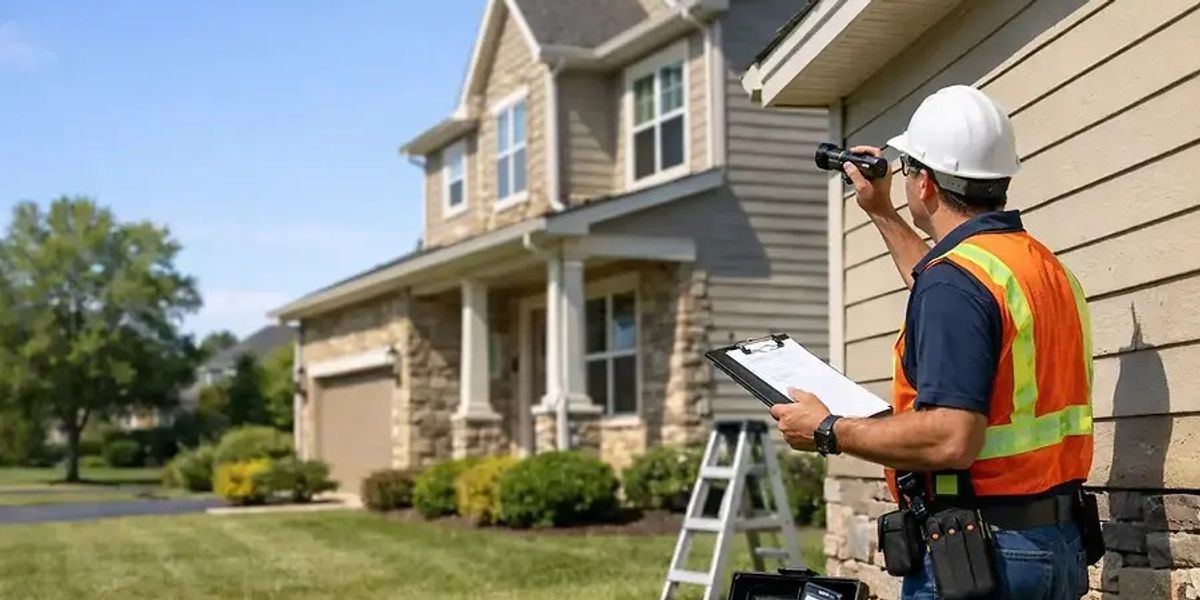
A home inspection costs about $343 on average — and it is the cheapest money you will spend on a house. For the price of a dinner out, a licensed inspector spends three hours walking through the home you are about to buy, testing the roof, the furnace, the wiring, and the plumbing, and then hands you a report that lists everything wrong with it. Skip that step and you are buying blind: buyers who waive the inspection contingency face an average of $14,000 in surprise repairs, according to the American Society of Home Inspectors.
Most buyers order the inspection right after their offer is accepted, during the contingency window written into the contract. This guide gives you the real prices by home size, age, and city, the add-on tests worth paying for, who pays the bill, and a worked example for a typical house.
Home Inspection Prices at a Glance
The table below shows typical prices for a standard inspection of a single-family home, checked Nov 6, 2026 (sources: Housetto's cost guide, Houwzer's brokerage blog, and iBuyer pricing data). Prices are national averages — your city can be 20% cheaper or 40% more expensive.
| Home type | Typical inspection cost |
|---|---|
| Condo or townhouse (under 1,500 sq ft) | $296–$350 |
| Single-family home (1,500–2,500 sq ft) | $325–$425 |
| Large home (2,500–4,000 sq ft) | $400–$550 |
| Very large or older home (4,000+ sq ft) | $500–$700 |
The national average sits at about $343 to $344, and the most common range is $296 to $424. Small condos cost the least because there is less to check — no roof, no yard, no exterior walls of your own. Large and older homes cost the most because the inspector has more square footage, more systems, and more wear to document.
A few inspectors charge by the hour instead of by the job, usually $100 to $150 an hour. Either way, the total lands in the same range for a normal house. Be wary of any quote far below $250: a rushed 45-minute inspection is not the bargain it looks like.
What Size and Age Do to the Price
Size is the biggest price driver. A 1,200-square-foot condo takes about two hours to inspect; a 3,500-square-foot house takes four or more, with a second heating system, a second bathroom stack, and a longer roof to walk. Most inspectors add $25 to $50 for every additional 500 square feet over the base size.
Age matters almost as much. A house built in the last ten years usually has modern wiring, PVC plumbing, and a roof with life left in it — the inspector's job is mostly confirming that. A house built before 1980 can hide knob-and-tube wiring, galvanized pipes, asbestos insulation, and a foundation that has had fifty years to settle. Inspectors charge more for older homes because they spend longer and carry more liability: a missed crack in a 1920s foundation is a much bigger problem than a missed crack in a 2015 one.
Ask the inspector what their price covers before you book. A good inspection includes the roof, attic, exterior, foundation, basement, electrical panel, plumbing, heating and cooling, and all major appliances. It does not usually include the sewer line, the chimney interior, or testing for radon — those are add-ons, and they are often the ones that matter most.
Add-On Inspections Worth Paying For
A standard inspection looks at what is visible. These add-ons look at what is hidden, checked Nov 6, 2026 (sources: Housetto and Houwzer add-on pricing).
| Add-on test | Typical cost | When you need it |
|---|---|---|
| Radon test | $150–$710 | Basement or ground-floor living space |
| Sewer scope (camera) | $150–$500 | Older home, big trees near the line |
| Mold testing | $200–$600 | Musty smell, past water damage |
| Termite inspection | $75–$150 | Wood-frame home, warm climate |
| Chimney inspection | $100–$300 | Fireplace you plan to use |
| Well water test | $100–$400 | Private well, not city water |
Radon is the add-on most buyers should get. It is a colourless, odourless gas that causes lung cancer, it is common in basements across the country, and a standard inspection cannot detect it at all. A sewer scope is the second-best spend on an older home: a collapsed sewer line can cost $5,000 to $15,000 to replace, and the camera finds it before you own the problem.
Mold testing is worth it only when there are signs — a musty smell, staining, or a history of leaks. Termite inspections are cheap and often required by the lender anyway. Skip the add-ons you do not need, but do not skip radon on a house with a basement.
Prices by Region
The same inspection costs different amounts in different parts of the country, checked Nov 6, 2026 (sources: Housetto and iBuyer regional pricing).
| Region | Typical cost for a standard home |
|---|---|
| Northeast | $400–$550 |
| Midwest | $300–$400 |
| South | $300–$425 |
| West | $350–$500 |
The Northeast and the West cost more because labour costs more and the housing stock is older — more century-old homes in New England, more hillside and seismic issues in California. The Midwest is the cheapest, with newer housing and lower labour rates. Rural areas are usually cheaper than cities in the same state, though you may pay a travel fee if the inspector drives more than 30 miles.
Who Pays for the Inspection
The buyer almost always pays. The inspection protects the buyer, so the buyer orders it and the buyer pays the inspector directly, usually at the time of the inspection or within a few days. In a typical deal the seller pays nothing for the inspection itself.
Sellers sometimes order their own pre-listing inspection before putting the house on the market. That costs the same $300 to $500, and it lets the seller fix problems first or price the house honestly. It does not replace the buyer's inspection — buyers still hire their own inspector, because an inspector hired by the seller works for the seller.
The one decision that costs real money is waiving the inspection contingency to make an offer more competitive. It can win a bidding war, but the ASHI figure is sobering: buyers who waive it face an average of $14,000 in surprise repairs. If you must waive it, at least pay for an informational inspection after closing — the report still tells you what to fix first, and it costs the same $343.
A Worked Example: A $350,000 House
Take a 2,000-square-foot, three-bedroom house built in 1995, listed at $350,000.
- Standard inspection: $350 (mid-range for the size)
- Radon test: $200 (the house has a finished basement)
- Sewer scope: $250 (mature trees in the front yard)
- Termite inspection: $100 (required by the lender)
Total: $900. The inspector finds a roof with five years of life left, a furnace from 2008, and a small leak under the kitchen sink. The buyer uses the report to ask the seller for a $3,000 credit toward the roof — more than three times the cost of the inspection. The radon test comes back fine, and the sewer scope finds no damage.
Compare that with waiving the inspection to win the bid: the same roof, furnace, and leak are still there, but now they are the buyer's problem, with no credit and no warning. The $900 inspection saved $3,000 on day one and flagged a furnace that will need $4,000 to replace within five years.
Mistakes to Avoid
- Hiring the cheapest inspector. A $200 inspection that misses a bad roof costs far more than a $400 inspection that finds it.
- Skipping the inspection to win a bidding war. The ASHI average of $14,000 in surprise repairs is the real price of waiving it.
- Not attending the inspection. Be there for the last hour — the inspector will walk you through the findings and answer questions the written report cannot.
- Skipping radon on a basement home. A standard inspection cannot detect it, and the test is the cheapest health check in the whole process.
- Treating the report as a pass-or-fail test. No house passes perfectly. Use the report to negotiate repairs and to plan what to fix first.
Frequently Asked Questions
How much does a home inspection cost?
About $343 on average, checked Nov 6, 2026, with most homes falling between $296 and $424. Condos cost less, large and older homes cost more.
How long does a home inspection take?
Two to four hours for most homes — about two hours for a condo, three for a typical single-family house, and four or more for a large or older home.
Who pays for a home inspection?
The buyer almost always pays, usually $300 to $500, directly to the inspector. Sellers who order a pre-listing inspection pay for that one themselves.
Can I waive the home inspection?
Yes, and in competitive markets sellers may prefer it — but buyers who waive the inspection contingency face an average of $14,000 in surprise repairs, according to the American Society of Home Inspectors.
Is a radon test worth it?
Yes, if the house has a basement or ground-floor living space. Radon is odourless and undetectable by a standard inspection, and the test costs $150 to $710.