How Much Does Driveway Paving Cost in 2026?
Your driveway is cracked, stained, or just plain ugly — and every time you pull in, you notice it. Replacing it is one of the most visible home improvements you can make, and the price range is wide: a new driveway costs $2,000–$12,000 depending on the material, size, and your location. This guide breaks down what each material costs, what drives the price up or down, and how to avoid the mistakes that turn a $5,000 job into a $10,000 one — so you know exactly what you're paying for before the first truck arrives.
How Much Does Driveway Paving Cost? (The Quick Answer)
| Material | Cost per sq ft | Typical 2-car driveway (600 sq ft) |
|---|---|---|
| Gravel | $1–$3 | $600–$1,800 |
| Asphalt | $3–$7 | $1,800–$4,200 |
| Concrete | $5–$10 | $3,000–$6,000 |
| Pavers | $10–$30 | $6,000–$18,000 |
| Stamped concrete | $8–$18 | $4,800–$10,800 |
| Resin / permeable | $10–$25 | $6,000–$15,000 |
A standard two-car driveway is about 20 × 30 feet (600 sq ft). Most homeowners pay $3,000–$7,000 for asphalt or concrete. The biggest cost driver is material choice — gravel is a tenth the price of pavers — followed by the condition of the ground underneath.
Cost by Material
Gravel — $1–$3 per sq ft. The cheapest option, and the easiest to install. A gravel driveway looks rustic and drains well, but it needs regular raking, topping up, and weed control. Gravel migrates — it ends up in your lawn, your garage, and your shoes. Best for rural properties and long driveways where paving would be prohibitively expensive.
Asphalt — $3–$7 per sq ft. The classic American driveway: black, smooth, and quick to install (usually one day). Asphalt lasts 20–25 years with regular sealcoating every 3–5 years ($300–$600 per coat). It softens in extreme heat and cracks in freeze-thaw cycles. Best for most climates and budgets.
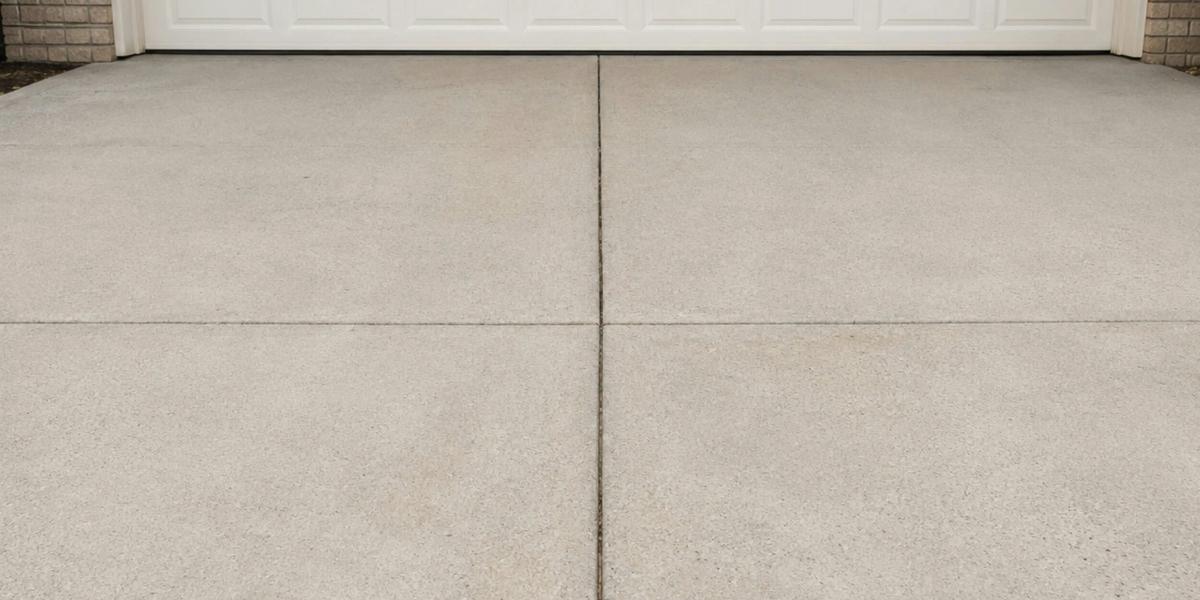
Concrete — $5–$10 per sq ft. More expensive than asphalt upfront, but lasts 30–40 years with minimal maintenance. Concrete doesn't need sealcoating, handles heat well, and can be coloured or textured. The downside: it cracks, and repairs are visible. Best for homeowners who want a long-lasting, low-maintenance driveway.
Pavers — $10–$30 per sq ft. Individual bricks or stones set in sand. The most attractive option and the easiest to repair — you replace individual pavers, not the whole driveway. But the upfront cost is high, and weeds grow between the joints unless you seal them. Best for high-end homes and anyone who values curb appeal above all.
Stamped concrete — $8–$18 per sq ft. Regular concrete that's stamped with patterns to look like stone, brick, or slate. You get the paver look at a lower price, but repairs are hard to blend, and the surface needs resealing every 2–3 years.
Resin-bound / permeable — $10–$25 per sq ft. A newer option: aggregate stones bound in resin over a permeable base. Drains rainwater through, so no puddles and no runoff problems. Increasingly required by local regulations in flood-prone areas. The premium price buys compliance and a clean look.
What Affects the Price?
Size is the obvious one — a single-car driveway (300 sq ft) costs roughly half a two-car one, but the per-square-foot rate is higher on small jobs because mobilisation costs are fixed.
Site preparation can add $1,000–$3,000. If the old driveway needs removing ($1–$3 per sq ft), the ground needs grading, or tree roots have to come out, the bill grows fast. Poor drainage or a steep slope adds more.
Thickness matters: a 4-inch concrete slab is standard for cars; heavy vehicles (RVs, trucks) need 5–6 inches, adding 20–30% to the material cost.
Location — labour rates vary enormously. The same asphalt driveway costs $3,500 in Ohio and $6,000 in California.
Access — if trucks can't reach your driveway easily, or the site is on a steep hill, expect a surcharge.
Permits — some cities require a permit for driveway work ($50–$200). Your contractor should handle this; if they don't mention permits, ask.
Get at least three quotes, and make sure each one lists the same scope: removal, base preparation, material, thickness, and finish. A quote that leaves out site prep isn't cheaper — it's incomplete. And when a contractor gives you a price, ask what's included in writing, so the project stays on budget.
How Long Does Each Driveway Last?
| Material | Lifespan | Maintenance |
|---|---|---|
| Gravel | 10–15 years | Rake + top up yearly |
| Asphalt | 20–25 years | Sealcoat every 3–5 years |
| Concrete | 30–40 years | Minimal; clean + reseal joints |
| Pavers | 25–50 years | Re-sand joints, seal every 3–5 years |
| Stamped concrete | 25–30 years | Reseal every 2–3 years |
| Resin-bound | 20–25 years | Sweep + occasional pressure wash |
The cheapest driveway isn't always the cheapest over time. A gravel driveway at $1,200 might need $200 a year in upkeep; over 20 years that's $5,200 total. An asphalt driveway at $3,500 with sealcoating every 4 years ($400 a coat × 5) costs $5,500 over the same period. Concrete at $5,000 with almost no maintenance is $5,000. The maths is closer than the sticker prices suggest — always compare the 20-year cost, not just day one.
Resurfacing vs. Replacing
Not every tired driveway needs replacing. Resurfacing (a new top layer over the existing base) costs $3–$5 per sq ft for asphalt and $5–$8 for concrete overlay — roughly half the price of a full replacement. It works when the base is sound and the damage is surface-level (cracks, fading, minor potholes).
Full replacement is needed when the base has failed: deep cracks, sinking sections, drainage problems, or tree-root damage. If more than 30% of the surface is damaged, replacement is usually the better investment.
A good contractor will tell you honestly which one you need. If a contractor pushes replacement for a driveway with only surface cracks, get a second opinion.
Mistakes That Cost You Money
Skipping the base. A driveway is only as good as what's underneath it. A proper base (4–6 inches of compacted gravel) costs $1–$2 per sq ft and prevents cracking and sinking. Contractors who skip it quote cheaper — and the driveway fails in 2–3 years.
Choosing on price alone. The cheapest quote often leaves out site prep, permits, or proper thickness. Compare quotes line by line, not just the bottom number.
Ignoring drainage. Water is a driveway's worst enemy. Make sure the driveway slopes away from your house (at least 1–2% grade) and that water has somewhere to go. Poor drainage causes freeze-thaw cracking and undermines the base.
Paving in bad weather. Asphalt needs dry, warm conditions (above 50°F / 10°C). Concrete shouldn't be poured in freezing temperatures or heavy rain. A contractor who'll pave in January in Minnesota is cutting corners.
Not getting it in writing. A written contract should list the material, thickness, base depth, finish, total price, payment schedule, and warranty. Verbal promises are worth nothing when the driveway cracks.
How to Choose the Right Material
Ask yourself four questions:
- What's my budget? Gravel or asphalt for tight budgets; concrete for the middle; pavers for the top end.
- What's my climate? Asphalt handles freeze-thaw cycles but softens in heat; concrete handles heat but cracks in freeze-thaw; pavers handle both but cost more.
- How long will I stay? If you're selling in 2–3 years, a clean asphalt driveway gives the best return. If this is your forever home, concrete or pavers pay off over decades.
- How much maintenance will I do? Gravel needs the most attention; concrete the least.
For most homeowners, the sweet spot is asphalt (good value, quick install) or concrete (long life, low maintenance). Pavers are for when curb appeal is the priority and budget allows.
A new driveway is one of the few home improvements you use every single day. Spend the money on the base and the material, not on the cheapest quote — and you'll drive over it happily for decades.
Frequently Asked Questions
How much does a new driveway cost? $2,000–$12,000 depending on material and size. A standard two-car driveway (600 sq ft) costs $1,800–$4,200 for asphalt, $3,000–$6,000 for concrete, and $6,000–$18,000 for pavers.
What is the cheapest driveway material? Gravel at $1–$3 per sq ft — a two-car driveway costs $600–$1,800. But gravel needs yearly maintenance and migrates into your lawn, so the 20-year cost is closer to asphalt than the sticker price suggests.
How long does an asphalt driveway last? 20–25 years with sealcoating every 3–5 years. Without sealcoating, expect 12–15 years before major cracking appears.
Is concrete or asphalt better for a driveway? Concrete lasts longer (30–40 years vs 20–25) and needs less maintenance, but costs 40–60% more upfront. Asphalt is cheaper, faster to install, and easier to repair. In cold climates with freeze-thaw cycles, asphalt's flexibility is an advantage; in hot climates, concrete holds up better.
Do I need a permit to replace my driveway? It depends on your city — many require a permit ($50–$200), especially if you're changing the size or the drainage. Your contractor should handle permits; ask before work starts.
Sources: Angi, HomeAdvisor, Forbes Home, This Old House, and HomeGuide (2025–2026 pricing).